
Overview
The Phoenix Program (also known as Phuong Hoang) was a clandestine CIA-coordinated operation conducted during the Vietnam War from 1965 to 1972. Its stated objective was to identify and neutralize (through capture, defection, or killing) members of the Viet Cong Infrastructure (VCI) — the political and administrative organization that supported the insurgency in South Vietnam. The program was a joint effort between American intelligence agencies and the South Vietnamese government's security forces.
According to official U.S. government figures presented to Congress, the Phoenix Program resulted in the deaths of 26,369 suspected Viet Cong operatives, with 33,358 captured and 22,013 persuaded to defect under the Chieu Hoi ("Open Arms") program. South Vietnamese government figures put the death toll at over 40,000.
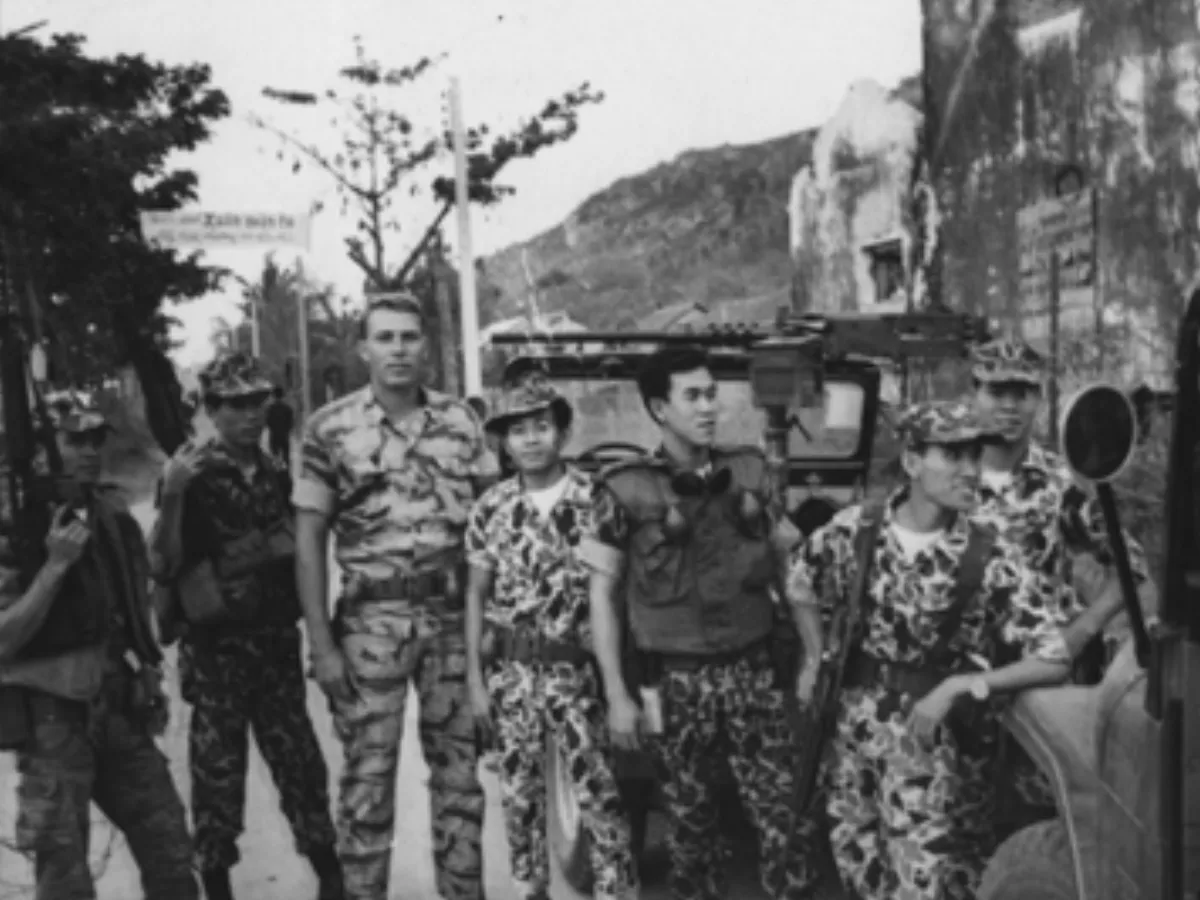
Wikimedia Commons — CIA photo, Public domain

Structure and Operations
The Phoenix Program was established in 1967 under the Civil Operations and Revolutionary Development Support (CORDS) program, which placed civilian and military pacification efforts under a unified command. The program was managed by the CIA but operated through South Vietnamese Provincial Reconnaissance Units (PRUs), National Police, and military forces.
The operational structure included:
- Intelligence Centers (DIOCCs): District Intelligence and Operations Coordination Centers gathered intelligence on suspected VCI members from multiple sources
- Provincial Interrogation Centers (PICs): Facilities where captured suspects were interrogated, with documented use of torture including electric shock, water torture, and physical beatings
- Provincial Reconnaissance Units (PRUs): Elite South Vietnamese military/intelligence units, advised and funded by the CIA, that conducted capture and assassination operations
- Quotas: The program established neutralization quotas for each province — a system critics argued led to the targeting of innocent civilians to meet numerical targets
Key Personnel
- Robert Komer: Known as "Blowtorch Bob," Komer was the first head of CORDS and oversaw the Phoenix Program's establishment
- William Colby: CIA officer who directed the program from 1968 to 1971 and later became CIA Director (1973-1976). Colby defended the program before Congress while acknowledging excesses
- Evan Parker: CIA officer who managed Phoenix's operational intelligence component
- General Creighton Abrams: MACV commander who supported the program
Congressional Hearings and Controversy
The Phoenix Program became a major controversy during the 1970 Foreign Operations and Government Information Subcommittee hearings, chaired by Representative Ogden Reid. During the hearings:
- William Colby testified that 20,587 suspected Viet Cong had been killed under Phoenix between 1968 and 1971
- K. Barton Osborn, a former military intelligence officer, testified about witnessing the torture and murder of suspects, including the practice of throwing prisoners from helicopters and using the "Bell telephone" (electric shock torture)
- Colby acknowledged that the program had led to abuses but argued it was an effective counterinsurgency tool and that orders prohibited assassination of civilians
Documented Abuses
Numerous accounts from American advisers, Vietnamese participants, and later investigations documented systematic abuses:
- Torture: Interrogation methods at Provincial Interrogation Centers included electric shock applied to genitals and other body parts, water boarding, beatings, and starvation. These methods were documented by American advisers who reported them up the chain of command.
- Indiscriminate targeting: The quota system incentivized counting any killed Vietnamese as VCI. After-the-fact classification of casualties as VCI was common, with dead bodies retroactively identified as targets.
- Corruption: South Vietnamese officials used the program to settle personal vendettas, extort money, and eliminate political rivals rather than genuine VCI targets.
Official Assessments
The CIA itself conducted internal assessments that questioned the program's effectiveness. A 1970 CIA analysis found that the majority of high-value VCI targets had not been neutralized, and that most of those killed or captured were low-level operatives easily replaced by the Viet Cong. The RAND Corporation's analysis similarly concluded that Phoenix failed to significantly degrade the VCI.
Legacy
The Phoenix Program remains one of the most controversial CIA operations in history. It established templates for counterinsurgency operations that would be referenced (and debated) during the War on Terror. CIA interrogation techniques documented at Phoenix provincial centers bear striking resemblance to those later employed at Abu Ghraib and other detention facilities.
The program's history raises fundamental questions about the moral and legal boundaries of counterinsurgency, the accountability of intelligence agencies, and the reliability of body counts as measures of military success.