
Overview
The Stalin Body Double theory is one of the most dramatic efforts to explain changes in Soviet rule through physical substitution rather than political evolution. Instead of seeing the increasing brutality of the 1930s and 1940s as the work of Stalin himself, the theory claims that another man took his place.
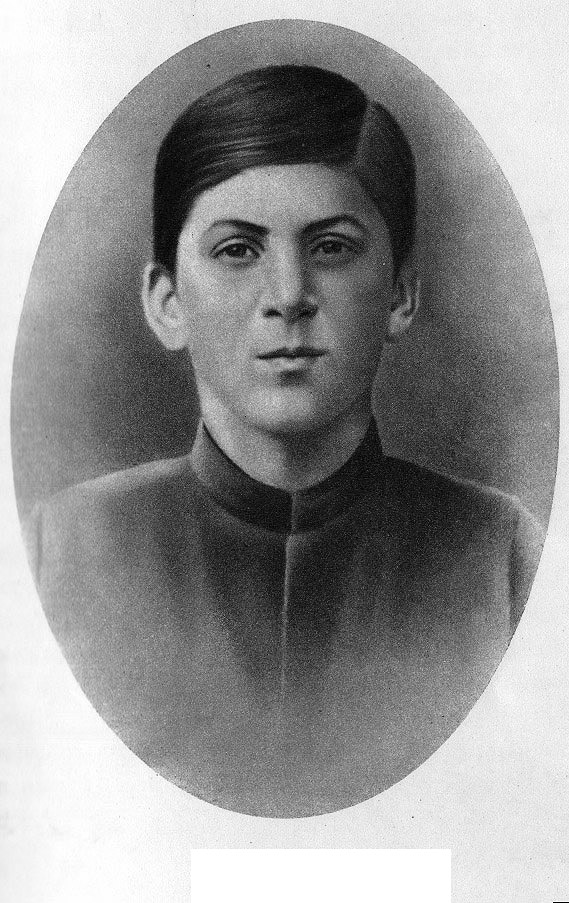
Wikimedia Commons — Unknown author, Public domain

Historical Context
Joseph Stalin was a secretive ruler operating within one of the most tightly controlled political systems of the twentieth century. Public appearances were limited, information was filtered, photography and representation were carefully managed, and the leader’s health and movement were state matters.
Later accounts and memoir-style traditions have suggested that Soviet security practices may at times have involved doubles or decoys. Such stories are not unique to Stalin; they belong to a wider pattern in which rulers under threat rely on misdirection, look-alikes, alternate motorcades, and tightly staged appearances. This background helped make the idea of a “Stalin double” plausible in limited form.
The more radical body-double theory went much further. It claimed not just occasional substitution for safety, but total replacement of Stalin at the center of power. The usual motive given was concealment of death, illness, or internal struggle at a politically dangerous moment.
Core Claim
The real Stalin died early
The strongest version places the death in the early 1930s, often around 1932.
A harsher substitute took over
Believers say that later changes in Stalin’s manner, speech, or cruelty are evidence not of political evolution but of physical replacement.
Soviet secrecy made the deception possible
Because the Kremlin controlled images, access, and official biography, a substitution could supposedly be hidden from the public and perhaps from much of the state.
Why the Theory Spread
Stalin’s regime was opaque
Few political systems were better suited to double theories than one in which the ruler’s image was tightly stage-managed.
Later reports of doubles gave the idea a foothold
Even limited or uncertain evidence that body doubles may have been used for security helped broader replacement myths flourish.
The terror of the later 1930s demanded explanation
For some observers, the scale of purges and repression seemed easier to explain through the arrival of a “different Stalin” than through radicalization by the same man.
Documentary Record
The historical record strongly supports that Stalin remained the central ruler of the Soviet Union from the late 1920s until his death on March 5, 1953. It also supports that rumors or claims about his use of doubles have existed and that Soviet leaders employed extensive security deception. What it does not support is the claim that Stalin died in 1932 and was replaced permanently by a double. That version belongs to political rumor, memoir culture, and later myth-making rather than to established Soviet chronology.
Historical Meaning
The theory matters because it reveals how difficult it can be to reconcile continuity of rule with radical escalation of violence. The body-double story solves that problem by splitting the ruler into two figures: the original and the usurper.
Legacy
The Stalin double theory remains part of a wider genre of stories about rulers replaced by doubles, clones, or stand-ins. Its persistence reflects both the secrecy of Stalin’s regime and the enduring difficulty of explaining the transformations of the Soviet 1930s without invoking hidden rupture.